
by Felicien | Dec 7, 2018 | Education
If you own or run a healthcare organization, you probably have someone on staff who acts as your security compliance officer. However, is it their primary job or area of expertise? Having a knowledgeable and experienced security compliance officer or resource is very important since the consequences of violating privacy regulations can be quite serious.
For example, did you know that federal regulators can fine an organization up to $50,000 per HIPAA violation and as much as $1.5 million per year in fines for releasing a patient’s protected health information (PHI)?
That’s why you need to know what a security compliance officer does and if it makes sense for you to work with an external company to help your organization comply with security regulations to avoid hefty fines.
What are a security compliance officer’s responsibilities?
According to the American Health Information Management Association (AHIMA), a healthcare security compliance officer oversees activities for developing, implementing, maintaining, and following an organization’s privacy policies and procedures. This is to ensure a patient’s PHI is kept secure and you’re complying with federal and state privacy laws.
Some of the compliance officer’s responsibilities include:
Understanding government privacy regulations, especially HIPAA rules, to make sure your organization is complying with them.
Assessing your organization’s risks and what steps are necessary to prevent and minimize exposure of your patients’ PHI.
Creating, testing, and reviewing an organization’s information security systems to protect PHI.
Setting up a security awareness program to meet HIPAA reporting requirements.
Overseeing a reporting and management system to record and investigate a data breach, and prevent future violations.
Maintaining a budget to fund information security management programs and processes.
Managing a training program for employees to help prevent a privacy breach.
Who should be your security compliance officer?
Since this is such an essential role in your organization, it’s critical to have the right person for this job. It shouldn’t be just a part-time or extra job for one of your employees, such as an office manager or human resources director. As mentioned, the consequences of a data breach can be very serious and expensive.
While having IT experience can be helpful, this position also includes auditing, training, handling an incident, and managing business associate agreements with external partners and vendors. Other responsibilities may consist of making and updating a disaster recovery plan and overseeing facility security.
An ideal candidate is someone with the ability to organize, understands HIPAA and other privacy rules, and is knowledgeable about IT and computer systems.
In addition to picking the right person for the job with the relevant experience, the position should have the authority and power to implement needed changes to ensure compliance with HIPAA and privacy rules.
What if you use a cloud-based IT service?
You might assume if you use a cloud-based service for your IT systems, then you don’t need to worry about HIPAA compliance. However, an organization must ensure such services are secure and perform a risk analysis before using a cloud service for storing or transmitting electronic protected health information (ePHI).
In 2015, St. Elizabeth’s Medical Center in Brighton, MA had to pay $218,400 in penalties for violating the HIPAA Security Rule when they uploaded data without doing a risk analysis of the cloud service. An organization needs to set up risk management policies to lower the chances of a data breach as much as possible, even if they use a cloud-based service.
If you manage a healthcare organization, a cloud service provider is considered as a “HIPAA business associate.” This means they must sign a business associate agreement (BAA) before patient data is uploaded to the cloud service. You must have a signed BAA even if the information you upload is encrypted and the cloud service doesn’t have a decryption key.
What can happen if you don’t have a signed BAA from a cloud-based service provider? In one case, Oregon Health & Science University was fined $2.7 million by the Department of Health and Human Services’ Office for Civil Rights because they didn’t get a signed BAA from a cloud-based IT vendor.
The business associate agreement should outline how ePHI is used and disclosed and that both parties have security procedures to prevent the unauthorized release of PHI. This includes verifying that the cloud service vendor:
Has reliable systems so information is readily available to a healthcare organization.
Maintains a back-up and data recovery system in case of a natural disaster, ransomware attack, or other emergencies.
Allows you to obtain data from their systems if you stop using their cloud services.
Keeps information as secure as possible.
Limits the use, retention and disclosure of PHI.
Should you work with a consultant or IT provider?
In some cases, you may decide that you need to work with an IT professional or consultant to assess your IT systems and infrastructure for potential weaknesses that can lead to a privacy breach.
Also, it may not be ideal for your internal staff to perform a risk assessment since it can be a challenge to objectively evaluate their practices and identify weaknesses. If you decide to contract with a third party for a risk assessment, make sure they’re experienced and knowledgeable about HIPAA and privacy rules.
Another option is using compliance software that’s customized for your organization’s needs and structure to help perform a risk assessment, train employees, and handle other functions.

by Felicien | Dec 7, 2018 | Education
December 7th, 2018, is National Pearl Harbor Remembrance Day. It marks the 78th year since the tremendous military disaster that brought America into World War II. It’s a time for somber reflection and to honor those who made the ultimate sacrifice in that tragedy, those who survived to go on to fight another day in that conflict, and the few who are still living. Millions of Americans will mark the day by displaying the American flag, attending tributes and memorial services and school and public educational presentations, by visiting with survivors at reunions, and in more personal ways.
History Of Pearl Harbor Remembrance Day
On the 23rd of August, 1994, the U.S. Congress officially designated December 7th as National Pearl Harbor Remembrance Day. In November of the same year, President Bill Clinton issued a proclamation declaring 1994 to be the first year of recognition, and it was subsequently observed the following month. It is not a Federal holiday so government offices and schools, as well as other businesses and organizations, remain open.
A Day That Will Live In Infamy
At approximately 7:48 AM on Sunday morning, December 7th, 1941, 353 Japanese aircraft, including fighters, dive bombers, and torpedo bombers, launched an attack on the U.S. naval base at Pearl Harbor, Hawaii, as well as U.S. Army Air Corps wings based at nearby Hickam and Wheeler airfields. The attack caught American forces by complete surprise. There had been no formal declaration of war or any type of warning by the Japanese.
The effect was devastating. 2,405 American sailors, soldiers, and civilians were killed and another 1,178 others were wounded. Almost 20 U.S. Navy warships, including eight battleships, were destroyed or severely damaged, as well as 188 aircraft.
The next day, President Franklin D. Roosevelt declared war on Japan, delivering his famous speech to Congress saying that the attack was “a date which will live in infamy.” Americans entered World War II with the popular slogan ‘Remember Pearl Harbor’ as their battle cry.
How To Observe Pearl Harbor Remembrance Day
American are encouraged to show their observance of the day by displaying the United States flag outside of their homes, and at half-mast, if displayed on a pole, until sunset on December 7th. Many also plant flags on the graves of veterans and attend reunions and other events associated with the day.
by Felicien | Dec 6, 2018 | Education
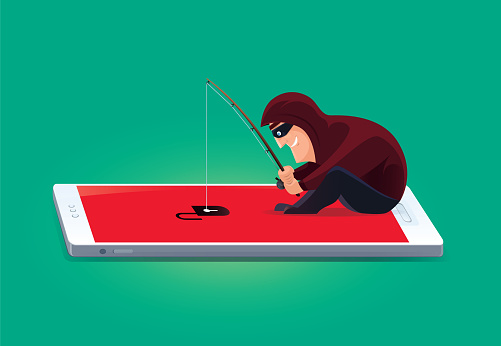
In this article, we’ll be going over the top seven ways to protect yourself and your business from email phishing attempts. But first, what is phishing?
Phishing Defined
Although it may sound like a recreational sport, phishing is not a virtuous practice. It is, instead, the deceitful and illegal practice of trying to obtain personal information by way of fraudulent emails.
Most of the time, phishing emails purporting to be from a legitimate business, like a store, bank, or online service. Frequently, these are establishments where you actually hold an account, so receiving them, at first, may seem reasonable. It’s when you look at the details of such emails that things become troublesome.
The goal of phishing emails is to appear legitimate while luring personal information, like the following, out of you:
Login information (usernames and/or passwords)
Social security number
Credit card or financial information
Date of birth
And other (usually financially related) information
If you end up giving the fraudsters this data, their ultimate goal is to use it to hack into your life in some way — often by getting access to your bank accounts, credit cards, and more.
If you’re concerned about phishing, here are seven tips for catching fraudulent emails and staying away from phishing attempts altogether.
1. Don’t send personal information.
Be on the lookout for emails that ask for your personal information. Whether you hold an account with the purported sender or not, nearly all establishments avoid asking for personal information by email.
Therefore, if you get an email like this, it’s likely a scam. This is especially true if the email specifies that the issue is urgent and if you don’t send the information right away, your account will be cancelled or other repercussions will ensue.
2. Try hovering over links and/or buttons.
If you receive an email where there is a web address or link, there’s a way to check if the address is legitimate or not. To do this, hover your mouse over the link (or button). A small box should appear showing the website. If this website is legitimate, it will be the actual establishment’s website. If it looks unusually long or has a different name, do not click the link.
3. Always type web addresses in directly.
As a rule, never use links directly from emails. If you receive an email from your bank stating that you need to update personal information, this may worry you. So, to double check, type your bank’s actual website into the search bar and see if they still ask you for this information when you login from there.
4. Only use secure websites.
There are ways to check that a website is secure. You’ll know when these two key features are present:
– “https” will be present at the start of the web address
– There will be a security lock icon (usually to the left of the web address)
5. Double check the security certificate by double-clicking the security lock icon.
By double-clicking the lock icon, you’ll be able to see the security certificate for the website. If, when you click the lock, you receive a warning message or there is no certificate available, stay away from that website.
6. Avoid using public WiFi.
At all costs, avoid using public WiFi — especially when banking, shopping, and entering personal information. It’s always better to use your phone’s cell phone connection.
7. Watch for “personalization” … with one caveat.
It’s always a better sign if emails use your actual name instead of “user” or “sir or madame,” but also keep in mind that even phishing emails can be crafty enough to know your actual name. In the end, if you receive an email addressed to your name, that’s not enough to signify that the email is legitimate. Look for other factors too.
Remember to always … be cautious and suspicious!

by Felicien | Dec 6, 2018 | Education
ECommerce platforms are one of the fastest growing trends in business. They allow you to create an online presence where you can display your products, interact with the consumer, handle transactions, and finalize sales all on one convenient platform. You don’t have to maintain a storefront or purchase a building. You simply set up your virtual store and go to work.
Shopify
Shopify combines social media and online shopping giving you access to a broader audience with much less effort. For $9 a month, you can easily integrate your Shopify store with your FaceBook page giving you the best of both worlds and allowing you to attract customers who prefer social shopping on a secure platform. Shopify means customers can view your shop without disrupting their connection to social media.
YoKart
YoKart allows for multiple vendors to be used within one system. Designed to benefit small and medium-sized businesses, YoKart offers several payment options and even has a multi-lingual platform. This makes it easy to communicate with buyers and even more accessible for buyers to pay for their purchases.
Big Commerce
Big Commerce allows you the option to integrate many different storefronts into one, easy to use online shopping experience. You can include eBay, Amazon, and Facebook shops in one convenient location and also include multiple options for managing how customers pay for their items, how the products are shipped, and creating an automated inventory that updates itself as items are sold.
Magento
Magento is designed to grow as your business grows. It offers flexible features that are designed to adapt right along with your company’s continued growth. This includes automated inventory, payment platforms, and cloud solutions that encourage growth instead of restricting it. The company gives you access to a network of professionals who have experience in many areas including, IT gurus, marketing professionals, and seasoned business owners.
Squarespace
Squarespace functions in much the same way as WordPress and allows you to create the type of website that will best suit your needs. The focus rests primarily on building your brand and helps you to sell yourself. There are not a lot of filters or other bells and whistles that can cause frustration and confusion. It is easy to use and doesn’t require an excessive amount of tech savvy to produce a quality website.
VTEX
VTEX is a platform best suited to larger businesses that have outgrown or expanded farther than the limitations of a smaller platform will allow. It uses an on-demand pricing platform that uses revenue sharing as a base. Its overall design is best suited for large chain or retail outlets due to its higher than average cost. It works exceptionally well for franchise operations that generate over a million in sales each year.
The size of your business and its potential for growth will determine which of the eCommerce trends for 2019 is the best option for you. There are several platforms available to choose from once you understand your business’s overall potential for growth during the coming year.

by Felicien | Dec 6, 2018 | Education
In late 2018, the Federal Trade Commission (FTC) issued a stark warning about a massive data breach at a Marriott chain that exposed the records of 500 million people.
The latest major corporate breach reinforces the need for companies to invest in multilayered security protocols that protect networks, devices and users.
What Happened at Marriott?
Marriott International reported that a breach of its Starwood guest reservation system exposed personal information on millions of people, Hackers gained access to highly sensitive data, including names, physical addresses, email addresses, phone numbers, gender, and loyalty program data. Among the most potentially damaging information taken were passport numbers, dates of birth and payment card numbers and expiration dates. While the payment card data was encrypted, the company did not know if the hackers had also stolen the technology needed to decrypt that information.
The breach began in 2014 and could affect anyone who made a reservation on or before September 10, 2018, at any of the Starwood brands, which comprise Le Meridien Hotels and Resorts, Sheraton Hotels and Resorts, St. Regis, W Hotels and Westin Hotels and Resorts.
How Did Marriott and the FTC Respond?
Marriott sent an email to warn those who may have been affected by the breach. However, the company ran into some criticism in its response, too.
The emails came from a third party and not the chain itself. The domain, email-marriott.com, doesn’t load or have an HTTPS identifying the certificate. That could lead other hackers to spoof the email and pretend they’re Marriott, duping consumers out of more personal information.
The company has offered a year’s worth of free internet site monitoring that generates an alert if evidence of a consumer’s personal information is found. However, the service is not available in all countries. U.S. consumers also can obtain free fraud consulting and reimbursement coverage.
The FTC encouraged consumers to check their credit reports and credit card statements for accounts or activity that’s not recognized. The agency also suggested placing a fraud alert or freeze on their credit reports.
What Can Companies Do To Prevent These Issues?
To ensure that your systems and networks are protected adequately from such intrusions, it’s wise to invest in a comprehensive assessment of your existing security defenses. An experienced IT services provider can assist with this assessment and recommend improvements to shore up areas that are lacking.
Today’s companies need a blanket of protections on several levels, including:
Network Perimeters. Advanced firewalls block your network’s perimeter and issue alerts when suspicious activity is detected. With 24/7 automated monitoring in place, companies can be confident that unusual behavior is identified, contained and addressed before significant harm can be done.
Devices. Every device on your network needs to be protected with advanced anti-virus, anti-spam and anti-phishing detection systems. These applications should run continuously in the background and be updated automatically to address emergent threats. By quarantining suspicious emails, these tools help prevent users from unwittingly providing access to bad actors.
Authentication. Companies are increasingly using multi-factor authentication protocols to safeguard access. Multi-factor authentication, for example, may involve completing additional steps after entering a password, such as typing in a code texted to a registered mobile device or clicking on an email link. While these protections may be a minor annoyance to some users, if a device is stolen or lost, the procedures can keep access protected.
Cloud Backups. Storing data and applications in the cloud helps keep your critical information protected. Cloud providers and managed IT services companies use both digital and physical safeguards to make sure that data is encrypted and accessible in a moment of need.
Business Continuity. When a natural disaster or hack occurs, your operations can be offline for days or weeks unless you’ve planned ahead. Business continuity planning allows your company to develop the protocols and procedures that will be deployed during and after a disaster. This planning involves identifying the people and responsibilities to manage these events, developing risk assessments, testing the responses and making adjustments as necessary.
This broad approach to security helps minimize the likelihood of a Marriott-level incident damaging your company’s business and reputation.