
by Felicien | May 24, 2017 | Education
The switch from Linux to Windows may be easier than you thought: Here’s why.
It’s time to talk about Linux. We understand that Linux users, especially companies that use Linux, have very good reasons for doing so. They have often spent years building systems that work exactly the way they want, and dislike the idea of switching to any other “mainstream” option that doesn’t offer the same benefits. At the same time, we know that there’s a lot of pressure out there to move to platforms that are easier to integrate and compatible with other companies in the industry, so hanging onto Linux in the business world is getting harder. So we’re going to talk about how switching from Linux to Windows 10 may be easier than you expect – and just what both options have in common these days.
Bash Compatibility
This is the big one – the one that really makes Linux users sit up and pay attention. Microsoft announced Bash for Windows back in 2016 and added the compatibility with the Anniversary update. Now that the bugs have been smoothed out from that particularly update, it’s a great time to check out just what this Bash option can do on Windows. It’s works on 64-but PCs and is designed for “developer mode” where you can enable the Windows Subsystem for Linux. Reboot, and Bash is ready to run. GNU command lines are enabled, apt and apt-get work fine, Symlink is compatible, and there’s basic language support for Python, Perl, and more.
Perhaps even more reassuring, while you can install Linux apps, you cannot accidently edit or delete Windows apps in this mode, so there’s no need to worry about doing unintentional damage to the Windows side of things. If you’ve been steadfast in sticking to your Linux capabilities, this could be the feature that convinces you to make the switch to Windows 10 while still keeping many of the things you know and love.
Apps in Common
Modern apps have focused increasingly on greater compatibility, especially apps targeted toward organizations that may need to work with a number of different platforms. As a result, many of your favorite apps probably work well with both Linux and Windows. That includes entertainment apps like Spotify and VLC just as much as free doc software like LibreOffice or design-friendly Visual Studio Code. Even apps that don’t have a specific version designed for Linux/Windows frequently have web apps that you can pop open no matter where you work. Don’t think you have to give up old apps or adopt unfamiliar apps when making the switch.
Windows Server
You may love your Linux server operating capabilities, but it’s worth noting that Microsoft has really improved in this area in recent years. Windows Server 2016 is a vast improvement on older versions of the Windows Server software, with far better stability and more options for customization than older versions. Don’t base your server management decisions on what the Windows Server used to be, because Microsoft has really pulled a 180 here.
Automation
On Linux, there are a number of task automation options to get things done – a very popular option, for example, is Cron, which runs a number of jobs based on parameters you can freely set. If you’re worried about giving this functionality up, you may be pleasantly surprised: Windows 10 has more automation than ever before, including Task Schedule which allows you to schedule automated tasks that are nearly as customizable as Cron.
Managing Your Profiles
Do you prefer to use multiple profiles to manage of a variety of logins, each with their own tasks and purposes? One of the traditional advantages of Linux is how easy it makes this kind of customization: Fortunately, Windows 10 has a lot of user account control, too thanks to its administrator features. With an administrator account, you can control multiple accounts, lock down accounts if necessary, and customize them as necessary.
Still not convinced? If you have more questions about using Windows for your {city} business, we can help out. {company} is an expert provider of IT systems services with experience in managing many transitions. Contact us at {phone} or {email} to learn more!

by Felicien | May 24, 2017 | Education
Want more productivity on Windows? Check out these highly integrated apps.
Windows 10 works best when you have the right apps that take advantage of its integration with Microsoft services as well as other software. This is particularly the case of apps that take critical business services that you depend on and replace them with Windows Store versions that are more efficient, provide a friendlier interface, and work more efficiently with other Windows programs. Here are several of our favorites – is it time that you download any of them for your job?
Windows Skype App
Skype remains a very popular web conferencing app, especially for small businesses that want a free service (easily accessible by everyone) to quickly communicate with partners and clients. If you find yourself frequently turning to Skype, make sure you have the full Windows Skype app downloaded to take advantage of its speed and features. Even better, consider Skype for Business, an excellent addition that adds many web conferencing tools to flesh Skype out for more sophisticated training, team conferencing and other capabilities. If you want to work on more online communication, this is a great place to start.
Windows Wunderlist
Wunderlist is a useful task managing app with a Windows 10-dedicated version available for download. The normal version of Wunderlist offers to-do creation, list management, syncing tasks, and similar organization capabilities for those who love to list out and share tasks. The Windows version adds integration with Cortana for automatic additions and updates, making task management that much faster (even if you’re just managing tasks for yourself).
Important note about Wunderlist: Wunderlist’s team was acquired by Microsoft a few years ago. They have been working on a new to-do list app specifically for Windows 10 called Microsoft To-Do, which offers task management capabilities that are even more closely connected to Windows and Office 365. Eventually, To-Do is going to replace Wunderlist on Windows machines, and Wunderlist support will be dropped. We mentioned Wunderlist because it’s a much more recognizable app, but if you are planning for a long-term service, it’s smart to switch over to To-Do instead.
Splashtop Business
Remote desktop software allows you to access a particular desktop computer from a different device, even if you aren’t at work. This type of software can be very useful (with proper security) if you have remote workers or workers with flexible schedules that allow for at-home work. It’s also particularly useful if you need to access a Mac desktop from a Windows computer instead of switching back and forth, which may not always be convenient. Finding a good free remote desktop option can be tricky, but Splashtop is one of the best we’ve come across.
DrawBoard PDF
DrawBoard is all about detailed PDF management. If none of your current PDF tools on Windows can really do what you need them too, it’s time to find a better solution – especially if you end up trading a lot of documents in PDF format. DrawBoard allows you to quickly make notes, draw, highlight, and find specific sections on your PDFs, then send them along as necessary.
Dropbox for Windows
Do you use Dropbox for storage? Then make sure you have the version that’s designed for Windows: The expanded app provides support for Continuum (in case you want to use your phone as a full-fledged computer), interactive notification, integration with Quick Search and Jump List, and a lot more functionality. Other cloud storage options are available on Windows of course (Box, Drive, etc.) but Dropbox offers some of the most important compatibility.
Zinio
Zinio is more of a niche app, but useful for a particular kind of business: Do you find yourself looking through a lot of magazines for new ideas, news, fashions, marketing techniques, or opportunities? Zinio allows you to collection and views full digital magazines to quickly move through content on your computer and find the information you need.
Windows Central
Windows Central keeps you updated on the latest Microsoft news. It’s a little salesy, but it’s also a good way to follow notifications about any new tools, partnerships, or important patches that you may not otherwise hear about.
Want to know more about using Windows more productively for your {city} business? Let {company} help! Find out more by calling us at {phone} or sending us a message at {email}.

by Felicien | May 24, 2017 | Education
If you are giving a presentation and part of it involves a shared display or handouts of a spreadsheet what can you do to keep the group awake? Let’s face it, Microsoft Excel is an excellent tool for organizing and manipulating statistical data, but when sharing your spreadsheet with others, your spreadsheet has to be interesting and informative.
How Do I Get More Information into an Excel Spreadsheet?
Before you get more information into your spreadsheet, make sure that a spreadsheet is a right tool for the job. More often than you might think, we use spreadsheets inappropriately. Would an Access database work better? Should you use PowerPoint for your presentation.
If you have decided that Excel is the right vehicle for your presentation, include a text document that is a “welcome” or “about” for the Excel document. This keeps you on track and reminds others what the purpose and mechanics of the spreadsheet are.
While it’s true that most of the spreadsheets we use in our careers are for our own consumption, it is a good practice to talk about your spreadsheet with others. Find out what features they like and which they don’t favor. If you work collaboratively with others in your organization be generous with credit and be sure to mention their names in the about or welcome document.
PivotTables Help (A lot)
PivotTables are important as they take tables of data, often with hundreds if not thousands of rows and help you and others understand the data by summarizing them by the column fields.
For a PivotTable to operate correctly it has to be set up in a certain way; each column needs to contain the same kind of data that is in a “raw” state – that is the data has not been processed yet. The following are some advantages associated with using PivotTables in Excel:
Simplicity
Speedily produced
Multiple dimensions – you can sort data by row or by column
Allows for interactive analysis
Appearances Do Matter
Your Excel Presentation can be exciting and visually stimulating. Following are some tips that help you accomplish this.
Consistency: Your spreadsheets will be easier for others to understand if you use only one font, bold headings for data groupings and formulae, distinct shade categories of data (for example shade raw data gray and results in green) and analytical comments should be in italics.
Create a Logical and Natural Flow: This is done by using the order of Worksheets and the layout of calculations and data to read left to right and top to bottom. An excellent Excel presentation takes the reader through a story – from inputs and assumptions to calculations and finally the results.
I Want Highly Informative Excel SpreadsheetsMake Data Relevant: To be more informative, an Excel spreadsheet presentation needs to have relevant data and analysis stand out. To do this, try to downplay the non-data elements of your tables and graphs. While you might create axes and gridlines the same color, make them paler than the data points.
{company} in {city} is your best source for tips, tricks, and hacks as well as news relating to the latest advances in technology. [Phone} or {email} us today.

by Felicien | May 23, 2017 | Education
The Internet of Things (IoT) and cloud technology offers manufacturing plants the data necessary to improve organizational processes and increase profitability.
Leaders of enterprises spanning every industry are continuously looking for ways to improve organizational processes, reduce spending, deliver quality goods and services, and increase profits. While every business stands to gain from achieving these goals, manufacturers who miss the mark have the most to lose. Every second of downtime puts the entire plant behind schedule, leaving the workforce scrambling to make up the difference. For many, developing a preventative maintenance strategy is the answer to minimizing downtime and optimizing maintenance costs.
The Internet of Things (IoT) and cloud technology is at the heart of this solution, making it possible for manufacturers to monitor assets and equipment, develop a routine maintenance plan, and identify issues before they force a halt in production.
Cloud technology and the Internet of Things are making it possible to remotely monitor and diagnose equipment, assess existing scenarios, fix equipment before it fails, and reduce overall maintenance costs.
Harnessing the Power of Data
IoT devices, partnered with facilities management software tailored to meet organizational needs, collects and analyzes data from manufacturing equipment. This information is then used to ensure a higher level of control over the manufacturer’s costs and facility conditions. In fact, a recently published report by McKinsey & Company estimates that the Internet of Things stands to save enterprises more than $4 trillion by 2025.
Manufacturers who invest in these business tools stand to benefit in three ways:
1) Reducing Downtime
A manufacturing plant is comprised of a series of complex machines. There are thousands of moving parts, each adding value to the entire production. If one piece of the puzzle, large or small, fails, production in the entire plant could be halted. This downtime reduces workforce engagement and costs the business both time and money.
Business tools like IoT sensors monitor every moving part, identifying weaknesses and deficiencies early on. Monitoring technicians can plan ahead, fixing the issue swiftly and during slower plant production times. Organizations also have the advantage of developing an automated preventative maintenance plan, scheduling routine maintenance before weaknesses arise. Since reactive maintenance accounts for more than 85% of an organization’s total maintenance spending, investing in a preventative maintenance strategy stands to significantly reduce facility management spending.
2) Increasing Organizational Efficiency
IoT tools can also help manufacturers better understand how the facility is performing and identify any opportunities to improve efficiency. For example, if a portion of the building is only used a few hours a day, is there really a need to keep the lights on all day? Or perhaps the HVAC runs colder in certain areas? IoT temperature and light sensors collect this data, offering management teams real-time analytics for each section of the plant. Once these issues are identified, plant managers can redefine processes, offering a more efficient working environment, at a fraction of the cost.
3) Increased Collaboration and Visibility
Historically, manufacturing plants have relied on IT systems tailored to a specific need. Each system worked separately from the other, making it impossible for the plant to truly run like a well-oiled machine. The Internet of Things integrates and connects each moving part, while still allowing them to perform their distinct, required job. This open line of communication offers management increased visibility and a better understanding of the big picture.
Before the arrival of IoT, organizations had a surplus of data, with no defined way of using it. With the implementation of the right business tools, manufacturers now have access to real-time, relevant data that assists them in making better decisions. Gaining a better understanding of their assets, resources, and facility ensures increased productivity and, ultimately, profits.

by Felicien | May 23, 2017 | Education
WannaCry’s ransomware attack is mostly over – here are the lessons businesses must learn from the experience.
WannaCry was a particularly nasty bit of ransomware that infected Windows systems via network connections and encrypted important files to hold them as a ransom for bitcoins. The first wave of WannaCry is over, and we can learn a lot of important lessons from its rise and fall.
1. Operating Systems Change for a Reason
This is probably the number one lesson from WannaCry: The disappointing thing is that is a very familiar lesson that every security experts know well. You have to keep updating your operating system, not just to keep up with the times, but also to protect your business data.
This advice is so common that the real problem is probably something more insidious: Business leaders refuse to take responsibility for the platforms and operating systems they are using. WannaCry is the consequence for that leadership failure, and the sooner organizations recognize that, the better they will be able to plan for the future. Windows XP was particularly vulnerable to WannaCry – that’s an operating system that’s 1)12 years old, 2)surpassed by 4 newer versions of the operating systems with far more advanced tools and integration, and 3)an OS that hasn’t had any support at all from Microsoft (outside of this emergency patch) for nearly three years.
The very common excuse that business makes here is that, “We can’t update because of this regulation, or that compliance issue, or the need to maintain services to our customers.” First, these are incredibly weak excuses. A full upgrade will always take time, resources, and careful planning to meet necessary regulations. That’s part of the process, not an excuse to avoid it. Second, many organizations don’t even realize these are poor excuses because they haven’t actually asked experts. The first thing an organization should do if they are worried about upgrading an older operating system is to bring in an IT expert that has experience in these types of upgrades and ask for a consultation, advice, and ultimately a game plan for the best possible outcome.
2. Patches Don’t Just Get in the Way – They Protect Against Threats
Close behind the lesson about upgrading to new versions of your operating system is the importance of patching. Let’s divided this into two steps. First, your company must be aware of available patches, as they come out, and what they do. This is really easy, even if you aren’t in IT. New patches are heralded by blogs, emails, tweets and many other sources of information explaining what they are and what they accomplish.
Second, give top priority to any patches that are designed to fix vulnerabilities and increase security. Require all employees to download that patch on all machines, that day. Period. You don’t even have to turn on automatic updates, just make sure those patches are downloaded. WannaCry was patched back in March, but guess what? A lot of organizations have no patch plan or requirements, so it didn’t matter.
3. Lack of Awareness is a Vulnerability
Combine both our first lessons, and you get a reminder worth noting – companies cannot claim ignorance here. We have to be aware of the current security dangers, and how to deal with them. That means paying attention to what IT says, understanding how the business systems work, and knowing when a new malware or virus attack hits. These days, no manager can say, “Well, it’s not my problem.” It is.
4. A Single Good Practice Can’t Protect You From All Malware
In the past, most ransomware like WannaCry was spread primarily through phishing emails, and strong anti-phishing strategy was very effective at dealing with the threat. But guess what? Things changes. Cyberattacks regularly evolve and find different, more insidious ways to locate new victims. You cannot count on a single strategy to prevent any particular threat.
5. Network Segmentation May Be Growing More Important
Network segmentation refers to devices that avoid connecting to the business network or connect only briefly in closely monitored situations to avoid data vulnerabilities and malware. Especially after WannaCry, this is looking like a good strategy for companies that handle a lot of sensitive information.
6. The Consequences Will Always Be Worse Than Necessary Preparation
Some of the organizations affected by WannaCry include the UK National Health Service, the South Korean and Chinese governments, and organizations in more than 150 countries. Emergency health services were canceled, governments were unable to offer services, factories were suddenly shut down, and much more. This led to tremendous losses, and will probably lead yet again to a whole lot of fines, firings, and the loss of contracts. It doesn’t matter how demanding security changes are, they are always easier than dealing with the aftermath of a bad attack.
For more information on how to prevent the latest malware attacks in {city}, contact {company} and let us know about your goals! You can call us at {phone} or send us a message at {email}.
by Felicien | May 23, 2017 | Education
Adylkuzz can teach us even a more important security lesson than WannaCry – if we pay attention.
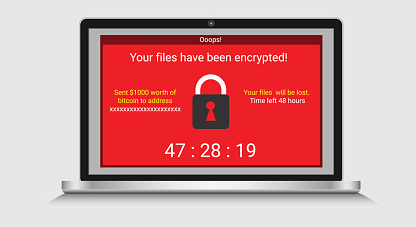
Adylkuzz is a bit of malware that you probably didn’t hear, but ran amok in May 2017, infecting Windows computers around the globe and using them for its own purposes. No, we’re not talking about another name for WannaCry – we’re talking about a more insidious type of attack that illustrates just how dangerous malware can be.
The Case of Adylkuzz
With all the furor created over WannaCry, it was easy to miss another, related malware attack, one knows as Adylkuzz, which was noted around the same time. Adylkuzz was a very different type of malware from the ransomware WannaCry, which held files on Windows computers hostage in exchange for money.
Adylkuzz popped up using the same vulnerability as WannaCry, a Windows exploit used by the EternalBlue hacking tools (which was quite possibly developed by the NSA). However, this bit of malware acted very differently: Instead of trying to extort money, it silently sets to work install a cryptocurrency miner in the background of the computer. This “recruits” the computer for the hacker, using some of its processing power to literally create money – in this case, the cryptocurrency Monero.
As you can see, the goal of Adylkuzz was to stay invisible, and it was good at its job. The security organization Proofpoint only found Adylkuzz while it was researching how WannaCry worked. For a large chunk of May, Adylkuzz went around hiding in WannaCry’s shadow and infecting up to 150,000 machines until people realized it was also a problem.
What Makes This Type of Malware Dangerous
When WannaCry hit, everyone knew about it. That’s the good thing about ransomware – it has to announce itself to complete its goal. But not all malware has to do this, which is why attacks like Adylkuzz can be so dangerous for businesses. Imagine if this type of malware was working behind the scene to copy and send sensitive business data instead of just using processing power! Remember, it took weeks to find out that it even existed, and that’s a lot of time for malware to do its work. Often, the most dangerous types of cyber attacks are those that go unnoticed until it is too late.
The Good News About Adylkuzz
All right, let’s take a look at the good news here. Adylkuzz was, fortunately, not programmed with much malicious intent. As we mentioned, turning a computer in a miner while avoiding detection is far safer for your data than a destructive or theft-oriented bit of malware.
In an even stranger twist, Adylkuzz wasn’t all bad for the computers that it infected. The malware was programmed to stay undetected in part by blocking any other malware from infecting the computer, up to and including WannaCry, which actually made Adylkuzz-infected computers immune to the WannaCry threat. This was a smart move: When WannaCry was discovered and a solution was found, it also meant the end of Adylkuzz. This is a point in favor of white hat security – patching one vulnerability can remove multiple threats at once.
Finally, it’s worth noting that while WannaCry could automatically infect computers through network connections, Adylkuzz was limited to the hacker’s personal work, and only infected the machines that it was directed to, based on how vulnerable the hacker believed certain systems to be.
Why It’s Important to Acknowledge All Types of Malware
When a big story like WannaCry hits, it can spur many organizations to finally implement security upgrades and important new precautions to keep data safe. But in the long-term, this kind of approach creates its own problem. Systems cannot be accurately patched based on whatever the “threat of the day” may be. That leads to a very shortsighted approach that allows other, sneakier malware to infect systems that are not adequately prepared. For every news-cycle-dominating attack like WannaCry, there are several Adylkuzz attacks lurking, watching for lazy security.
If you want full protection for your {city} business, it’s important to create a full security plan that includes regular updates and all necessary patches to protect from the latest threats. {company} can help! Find out more about our IT systems services by calling us at {phone} or emailing at {email}.