by Felicien | Oct 25, 2017 | Education
How to prevent suffering from malicious misuse of your data – a risk revealed by the recent breach at DocuSign, where hackers impersonated the electronic document company to distribute malware.
The DocuSign episode is an example of a multi-stage threat. In the DocuSign case, the multi-stage threat involves malicious misuse of data assets by hackers. Stage one was the initial data breach. This was problematic, but on the surface, its potential impact on DocuSign’s business was relatively low. It was embarrassing, but not deadly. Stage two was the malicious misuse of DocuSign customer information. Used for the sophisticated spear phishing that took place, later on, this was a much more serious threat.
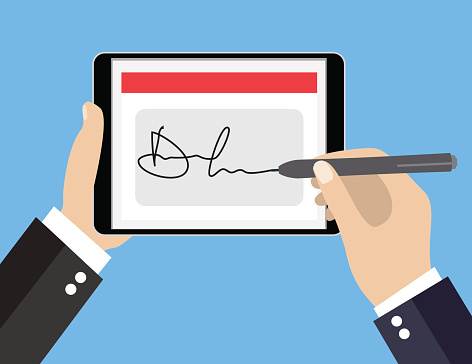
If you’ve ever bought or sold a home, you’ve probably used DocuSign, the leading electronic document management company. The service has over 100,000,000 users. DocuSign facilitates the execution of legally binding contracts online using electronic signatures.
Now, imagine you got a signature request over DocuSign from someone you know. It’s routine, or so it seems. When you download the document, however, your device gets compromised by malware. What went wrong?
Did a hacker infiltrate DocuSign and embed malware in their code? That would be quite a feat. But, something like it did happen recently. As reported in Krebsonsecurity, hackers breached DocuSign’s defenses and stole customer names and email addresses. A cybersecurity professional might deem this as “low value” data, but the nature of the attack shows this assumption to be mistaken.
The attackers proceeded to impersonate DocuSign with realistic-looking web pages and forms. They sent out signature requests to DocuSign customers by posing as DocuSign. Unsuspecting users, already familiar with the service, unknowingly clicked on malware links and were infected.
How Multi-Stage Threats Challenge the “Heat Map” Approach to Cybersecurity
The DocuSign episode is an example of a multi-stage threat. In the DocuSign case, the multi-stage threat involves malicious misuse of data assets by hackers. Stage one was the initial data breach. This was problematic, but on the surface, its potential impact on DocuSign’s business was relatively low. It was embarrassing, but not deadly. Stage two was the malicious misuse of DocuSign customer information. Used for the sophisticated spear phishing that took place, later on, this was a much more serious threat.
DocuSign’s exposure is significant, going beyond a mere security incident to encompass damage to brand image and possible legal liability. Their whole business and brand are built on the perception of integrity. The breach tarnishes that image in addition to causing direct, financial damage to the firm. This is the risk that virtually every business faces from multi-stage threats.
A multi-stage threat creates multiple risks. As a result, they challenge the conventional cybersecurity “heat mapping” process of matching countermeasures to threats. In a heat map, a security manager identifies your most valuable data assets and systems. Then, factoring in the probability and potential business impact of an attack, they focus security resources on the areas with the great potential for attack and highest business impact.
Using this approach, the database holding customer names and email addresses would probably receive a lower “heat” level and a commensurately smaller investment in cyberdefense. A more critical system, like the repository of signed electronic documents, would likely be rated “hotter” and get more robust and costly countermeasures.
While the heatmap approach is useful in many situations, it is not well suited to a malicious misuse case like the one suffered by DocuSign:
It is difficult to predict how “low value” data will be used in a more serious attack.
Security managers for small to mid-sized businesses have to keep up with evolving threats.
In the DocuSign example, two common and lower-level attacks combine to form a much greater threat. A simple data breach gave hackers the ability to conduct spear phishing. The two threats merged. In spear phishing, the attacker impersonates an individual known to an email recipient. The intent of spear phishing is to trick the recipient into clicking on a malware link or sharing login credentials to a system.
Spear phishing can be difficult to prevent because its emails are personalized, informal and lacking in identifiable markers of fraud, e.g. “I’m a Prince with a million dollars. Can you help me?” Those can easily be flagged by spam and malware filters. Spear Phishing emails often slip through such filters.
It is highly probable that the DocuSign attack also involved social engineering. The attackers might have cross-referenced public records of real estate transactions and posed as a realtor or other named individuals that recorded the deeds. The phishing victim would be getting an email from a person known to be associated with a recent real estate deal. The email asks the recipient to click on a DocuSign link. It looks legitimate. It would take extreme vigilance to detect any sort of wrongdoing in this case.
Are You at Risk for Malicious Misuse of Your Data?
Your business may be exposed to risks of multi-stage attacks like malicious misuse of your data assets. The exact nature of the attack will, of course, depend on your business, but one can imagine a variety of scenarios:
A law firm sends emails that lead to the theft valuable personal information from clients.
A medical practice inadvertently violates patient privacy by hackers who use patient email addresses to steal personal information or exact bogus payments for services not rendered.
A small business gets impersonated by a hacker who diverts electronic payments to his bank account, not those of the company.
Defending Against Malicious Misuse
As providers of IT security and IT services for small to mid-sized businesses, we can tell you that effective prevention of malicious misuse is quite challenging. However, there are a number of things you can do to improve your defenses against this kind of threat without spending a lot of money. These include:
Enhancing technical countermeasures – One of the best moves you can make is to defend yourself better against the basic data breach that would lead to theft of your information. This might involve beefing up firewalls and intrusion detection systems. It could mean encrypting data at rest, so even if you get breached, the bad guys can’t get much they can use. Multi-Factor Authentication (MFA) could help in certain processes – to reduce the risk that a malicious actor can penetrate key systems. Phishing defenses are also useful, given that phishing is one of the most serious attack vectors for data breaches. There are now some very powerful anti-phishing solutions on the market.
Addressing the threat through security policy – The structure of your security controls may help or hinder your defense against malicious misuse. You may have vulnerabilities that you haven’t considered in the context of malicious misuse.
Investigating and remediating legal and insurance aspects of risk management – Understanding the potential impact of malicious misuse, it’s worth reviewing your insurance policies and legal agreements to make sure you are protected as much as possible from the threat.
Planning for malicious misuse incidents in advance – there’s no excuse for getting caught flat-footed with this kind of attack now. Have your response plans written, your remediation workflows thought through, your customer emails prepared, and so forth.
Conclusion
We work with small to mid-sized businesses to help them improve their cybersecurity postures. In our experience, it is possible to build robust defenses with reasonable, incremental investments in highly targeted solutions. There is no 100% guaranteed defense against a threat like malicious misuse, but we can help you bolster your protections and preparedness.
by Felicien | Oct 25, 2017 | Education
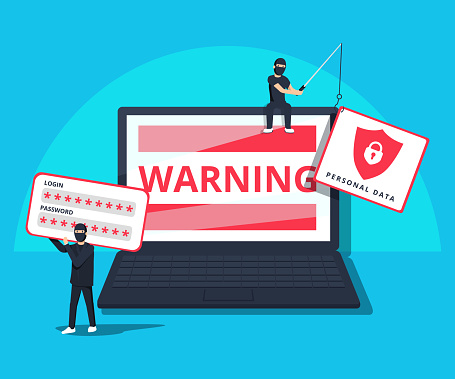
The latest Amazon phishing scam is just another illustration of why strong security is important. Find out more about this scam and how you can protect your business.
Amazon doesn’t want you or your business to call a number, provide a code, and verify your identity, and if you receive an email claiming that they do, you’re the target of a phishing scam. A phishing scam occurs when someone uses what might seem like legitimate phone calls or emails to get you — or someone in your organization — to respond with sensitive information. If the scammer can trick you out of usernames, passwords or identifying information, they can engage in hacking, identity theft, and other cyber crimes.
The Risks of the Amazon Phishing Scam
The recent Amazon phishing scam, which is reaching inboxes in October 2017, is a prime example of a common fear tactic scammers user to target individuals and businesses. The email warns you that someone tried to reset your password and asks you to call a number and provide a code when speaking to the customer service rep. The number routes you to a non-Amazon call center where operators attempt to get you to provide information regarding your Amazon login.
Many businesses and individuals keep their payment card information stored on Amazon’s servers — along with data such as names, addresses, and phone numbers. It’s convenient and makes it easy to order things quickly; SMBs might load a single payment card into the system and allow numerous people to purchase supplies via the account, for example. If your Amazon account is breached, that means all that data is breached too. It also means that hackers can use that information to potentially breach other accounts or your business network.
One of the dangers of the Amazon phishing email is that it looks quite authentic. It includes Amazon’s logo, and it’s well written and sounds authoritative. It even includes a short warning paragraph about phishing emails and tells you that Amazon won’t ever ask you to email your password to them. It’s so legitimate looking, many people have fallen for it already.
Other Types of Phishing Schemes & How to Combat Them
The ability to pass as legitimate, even under some basic scrutiny, is making these types of phishing schemes more dangerous. These schemes have targeted people with emails or phone calls from agencies such as the IRS, numerous banks, various online retailers, and sites such as PayPal. One of the common threads that are seen through phishing emails and calls is that they play on anxieties, worries, and fears consumers and businesses already have. Today, many people are already worried that their accounts may be hacked. They’re already worried their money isn’t safe. Businesses have to deal with potential cyber attacks and threats every day. When you receive a seemingly legitimate email regarding a danger, your immediate reaction may be to jump into damage control. Before you do anything, though, take a few minutes to do some research and consider the communication.
Conduct a quick Google search. In just a few minutes, you can see if anyone else is receiving these communications and if a known scam has been reported.
Look at the email address source. Some elaborate spoofs look like they originate from the internal network of the company in question, but some fakes are easier to spot. For example, an email that looks like 2d8487!@paypalpal.com didn’t come from PayPal.
Hover over any links in the email without clicking on them to preview them. Do they go back to the agency in question, or a spoofed site? It’s best not to click on links in these emails at all; you can always navigate to the site via your browser bar.
Call the agency’s customer service number (the one from their web page, not the one in the email) to find out if the email is legitimate.
Protecting Your Business Against Phishing Scams
Procedure and training are two of the best ways to protect your business from damage associated with phishing scams. First, create a procedure for responding to any of these types of emails. Put someone, such as internal IT staff or an administrative assistant, in charge of receiving reports of these emails or phone calls and doing the research to determine what type of response is needed. That person will begin to recognize phishing scams and may even see the same ones repeatedly, and they can assure other staff that there is no real threat and no response required.
You should also train your entire staff on good password and security protocol. Requiring staff to change passwords every 60 to 90 days across all sites, platforms, and tools help reduce the chance that a successful phish endangers all of your accounts or networks. Some tips for strong password management include:
Don’t use the same password for multiple platforms, sites, and tools
Don’t use words or easy strings of text or numbers (such as ABC or 123) in passwords
Passwords should be at least 8 characters — longer passwords are better than shorter passwords
Passwords should incorporate letters, numbers, and symbols when possible
Workers should not share passwords or write them down
If your company uses cookies or password storage software, then consider including multiple forms of authentication on machine and network login screens
By engaging in proactive cybersecurity, you can reduce the risks your business faces from phishing scams.

by Felicien | Oct 24, 2017 | Education
A discussion of how to meet all of your objectives and stay within your budget at the exact same time when it comes to IT.
In many ways, information technology is the backbone of your business. When your infrastructure is functioning properly, it’s one of the most powerful enablers you have. It’s a productivity machine with an eye towards the future – allowing you to effortlessly combine technology with your long-term strategy to bring you the results you need exactly how you need them.
Because of this, companies need the absolute best in consultation, recommendation and implementation for their technology in order to be the best they can be. They need someone to take email, asset management, network design, business continuity and more and bring them together, creating less a series of disparate parts and more a living, breathing whole.
Can you really expect to find one person to meet all of these needs and more, all while staying on-time and within budget? The answer, in all likelihood, is “probably not.”
Information Technology: Breaking It Down
Think about all of the areas of concern that businesses have when it comes to IT and what one person could potentially be asked to do. One of the biggest concerns would undoubtedly fall on a line of business software applications support. Companies need more than just an email or database solution – they need systems that are built with their own end goals in mind.
Their email service can’t just be “functioning” – any free service in the world can meet that requirement. They need to be productivity and collaboration enablers, allowing organizations to weaponize communication and use it to do better work in an easier way.
Next, consider something as seemingly simple as asset management. This is about more than just keeping track of what equipment is in play across an infrastructure. It’s making sure that resources are being utilized in the way that they were intended. It’s about making sure that updates are installed and those small problems are being fixed. It’s a full-time job in and of itself, to say nothing of the other full-time jobs you could be asking a single person to do.
Training has long been considered one of the most important aspects of IT, both in terms of staying abreast of the latest technology and keeping up-to-date with important issues like cyber security. Training must be proactive in order to be successful – it’s not something you do once and forget about. How is one person supposed to find the time to do this properly?
All of these bleeds directly into larger topics like systems management and administration. Backups and data protection are the keys to making sure that an organization can resume normal operations in the event of a disaster. Onsite and offsite storage (and how they interact with one another) make sure that employees can work anywhere at any time, no exceptions. Even network design and concepts like wired networks, wireless networks and vLAN are less about getting computers onto the Internet and more about empowering employees with the ability to work in any way they need given the situation.
Then, you have to think about things like Help Desk support. When it comes to IT, something going wrong is not a question of “if” but “when.” How are you supposed to expect one person to suddenly stop everything else that they’re doing and address user concerns, potentially at a moment’s notice at the least opportune time? The answer is simple – you can’t.
Going back to the topic of security, this is essentially another huge job in and of itself. Remember that we’re living in an era where 55% of companies say that they’ve experienced some type of cyber attack in the past twelve months alone. 50% of those reported data breaches involved compromised customer or employee information. In the aftermath of these and similar types of incidents, companies spent an average of about $880,000 because of damage or theft of IT assets and an additional $955,000 because of the disruption of normal business operations?
How, in good faith, can you expect one person to shoulder this type of burden on top of everything else that they’re being asked to do? Not only are you setting up one person for a particularly nasty ulcer sooner rather than later, but you’re also setting your entire organization up for failure.
Instead of spending one person so thin at the expense of everything that they’re actually trying to do, you need several people with various skills who are all working in tandem. Business software applications support, network design, business continuity – these are all entirely different skillsets that require completely different ways of thinking. You can’t expect a single person to shift at a moment’s notice, let alone devote as much attention as they need to all of these aspects.
They say that a chain is only as strong as its weakest link. Rest assured that if you’re asking one person to do all of this and more, they will quickly become that weak link before your eyes. Forget accomplishing all of your objectives and staying within your budget – you’ll be lucky to still have a business in six month’s time.
These are just a few of the many reasons why you will most likely find that you need several part-time people with various skills, rather than one person. When you’re talking about something as mission-critical as your business’ IT infrastructure, you don’t want to leave anything to chance. When one person is spread too thin, you have something of a “Jack of all trades, master of none” situation on your hands. Since these resources are also what are supposed to give you a competitive advantage in an understandably crowded marketplace, that’s one situation you don’t want to find yourself in if you can help it.
If you’re in {city} and you’d like to find out more information about this or any other essential IT topic, don’t delay – contact {company} today by giving us a call at {phone} or by sending an email to {email}.

by Felicien | Oct 24, 2017 | Education
Working globally has never been easier, even for small and mid-size businesses. Find out how to make Microsoft 365’s Multi-Geo capabilities work for you.
Amazon doesn’t want you or your business to call a number, provide a code, and verify your identity, and if you receive an email claiming that they do, you’re the target of a phishing scam. A phishing scam occurs when someone uses what might seem like legitimate phone calls or emails to get you — or someone in your organisation — to respond with sensitive information. If the scammer can trick you out of usernames, passwords or identifying information, they can engage in hacking, identity theft, and other cyber crimes.
The Risks of the Amazon Phishing Scam
The recent Amazon phishing scam, which is reaching in-boxes in October 2017, is a prime example of a common fear tactic scammers user to target individuals and businesses. The email warns you that someone tried to reset your password and asks you to call a number and provide a code when speaking to the customer service rep. The number routes you to a non-Amazon call centre where operators attempt to get you to provide information regarding your Amazon log-in.
Many businesses and individuals keep their payment card information stored on Amazon’s servers — along with data such as names, addresses, and phone numbers. It’s convenient and makes it easy to order things quickly; SMBs might load a single payment card into the system and allow numerous people to purchase supplies via the account, for example. If your Amazon account is breached, that means all that data is breached too. It also means that hackers can use that information to potentially breach other accounts or your business network.
One of the dangers of the Amazon phishing email is that it looks quite authentic. It includes Amazon’s logo, and it’s well written and sounds authoritative. It even includes a short warning paragraph about phishing emails and tells you that Amazon won’t ever ask you to email your password to them. It’s so legitimate looking, many people have fallen for it already.
If your company uses cookies or password storage software, then consider including multiple forms of authentication on machine and network log-in screens
By engaging in proactive cyber security, you can reduce the risks your business faces from phishing scams.
Other Types of Phishing Schemes & How to Combat Them
The ability to pass as legitimate, even under some basic scrutiny, is making these types of phishing schemes more dangerous. These schemes have targeted people with emails or phone calls from agencies such as the IRS, numerous banks, various online retailers, and sites such as PayPal. One of the common threads that are seen through phishing emails and calls is that they play on anxieties, worries, and fears consumers and businesses already have. Today, many people are already worried that their accounts may be hacked. They’re already worried their money isn’t safe. Businesses have to deal with potential cyber attacks and threats every day. When you receive a seemingly legitimate email regarding a danger, your immediate reaction may be to jump into damage control. Before you do anything, though, take a few minutes to do some research and consider the communication.
Conduct a quick Google search. In just a few minutes, you can see if anyone else is receiving these communications and if a known scam has been reported.
Look at the email address source. Some elaborate spoofs look like they originate from the internal network of the company in question, but some fakes are easier to spot. For example, an email that looks like 2d8487!@paypalpal.com didn’t come from PayPal.
Hover over any links in the email without clicking on them to preview them. Do they go back to the agency in question, or a spoofed site? It’s best not to click on links in these emails at all; you can always navigate to the site via your browser bar.
Call the agency’s customer service number (the one from their web page, not the one in the email) to find out if the email is legitimate.
Protecting Your Business Against Phishing Scams
Procedure and training are two of the best ways to protect your business from damage associated with phishing scams. First, create a procedure for responding to any of these types of emails. Put someone, such as internal IT staff or an administrative assistant, in charge of receiving reports of these emails or phone calls and doing the research to determine what type of response is needed. That person will begin to recognise phishing scams and may even see the same ones repeatedly, and they can assure other staff that there is no real threat and no response required.
You should also train your entire staff on good password and security protocol. Requiring staff to change passwords every 60 to 90 days across all sites, platforms, and tools help reduce the chance that a successful phish endangers all of your accounts or networks. Some tips for strong password management include:
Don’t use the same password for multiple platforms, sites, and tools
Don’t use words or easy strings of text or numbers (such as ABC or 123) in passwords
Passwords should be at least 8 characters — longer passwords are better than shorter passwords
Passwords should incorporate letters, numbers, and symbols when possible
Workers should not share passwords or write them down
If your company uses cookies or password storage software, then consider including multiple forms of authentication on machine and network log-in screens
By engaging in proactive cybersecurity, you can reduce the risks your business faces from phishing scams.

by Felicien | Oct 24, 2017 | Education
Is your non-profit relying on the limited tech skills of a volunteer or employee who has other full-time duties in your organization? Discover the benefits of, and tips for, outsourcing your IT.
Tips for Outsourcing Tech for Your Non-Profit
There tends to be thinking that the operation of a non-profit organization is far different from that of a for-profit company. Most of those differences, however, are organizational and financial related. From a business-to-business standpoint, non-profits and profits can be very similar. This includes how each manages their IT needs.
Like for-profits, non-profits require tech service providers that understand their needs and can work within a budget. You should have tech support that is responsive and available. Unfortunately, many non-profits will instead rely on a volunteer or employee who may fancy themselves as a “techie”. These part-time, as needed helpers usually are well-intentioned but have limited areas of expertise. They may also cause more problems than they resolve.
It is far too easy for non-profits to ignore routine and preventative maintenance. Backing-up data, updating software or ensuring systems are properly secure from malware and outside attacks fall down the priority list. When problems do manifest themselves, they can become time-consuming, costly, and may result in calling in an outside consultant anyway.
Since computer reliability and stability has improved greatly over the past decade or so, many organizations, including non-profits, have eliminated or reduced staffing in IT. Many have turned to outsourcing their tech services. Outsourcing allows you to have access to services when you need them, without the expense of a full-time employee. It also allows you to choose resources that specialize in areas of your specific needs. When done correctly, outsourcing for tech provides you the expertise you need, when you need it, and get it more affordable.
Here are some tips for outsourcing tech services for your non-profit.
Perform Your Due Diligence
Selecting the proper resource for your tech needs will take some research into pricing, areas of expertise, and experience. It can be valuable if a resource has experience in the non-profit sector. Make sure they are familiar with the type of equipment and network you use. You may consider asking for referrals from other non-profit organizations of similar size and scope as yours. Don’t be afraid to ask for a provider’s non-profit references.
Ask About Insurance Coverage
Find out if your support company carries worker’s compensation insurance for their staff. Ask if you are covered for any inadvertent damage they may cause to your system or equipment.
Do They Have Access to Your Network by Remote Access?
Remote access can minimize potentially expensive on-site visits. Many tech-related problems can be resolved remotely so this is a valuable aspect of outsourcing tech support.
Is the Company Properly Staffed?
Many individuals with tech knowledge will go out on their own and present themselves as IT consultants. There can be a few issues with this, in that there is a limit to both knowledge and availability. When you have a computer or network issue, especially if it’s critical, you want an immediate response. You may not get that with a one-person company.
Does an Outsource, Outsource?
You’ll want to work directly with any tech company you outsource too. This means, avoiding using a company who uses subcontractors. If the company you outsource to, outsources, it adds potential communication problems and responsibility issues. Make sure your tech company performs all of their work in-house with their own staff. This holds them accountable for any work that is done.
Get Billing and Invoicing Details
Before choosing an outside resource for your tech needs, you’ll want a full understanding of precisely how you will be billed and invoiced. How do they track hours and travel time? What are the parameters for what they define as “emergency service”? Billing should detail services provided so any projects can be fully understood after the fact. Avoid prepaying for blocks of time for “anticipated” repairs in advance.
Range of Knowledge
You’ll be well served to discover what areas of expertise potential resources bring to the table. Do they have a full understanding of your network and software needs? Can they assist you with security issues? Are they experienced at making hardware recommendations? The wider the range of expertise they offer, the better they will be able to serve you. It also means you will need fewer outside resources.
Can You Relate to Each Other?
One of the weak links in outsourcing is the potential for poor communication. After all, you may be outsourcing because you don’t fully understand the jargon of technology. Ideally, you want a resource who can communicate with you in terminology you understand. Be cautious of companies who overuse technological terms to create some sort of “mystique” about their services. They should understand that you may not understand what they are saying and use less technical language to communicate.
Is There a Commitment?
Service contracts aren’t necessarily a bad thing. They can delineate responsibility and outline expectations. They demonstrate a mutual responsibility between a non-profit and a vendor. However, you do want to fully understand the terms of any such agreement before signing on. Be cautious of monthly minimums and contracts that may automatically renew for lengthy periods of time. Service agreements should benefit both parties.
Outsourcing tech for non-profits makes sense and is a solid business practice when the proper resource or resources are chosen. Relying on a volunteer or employee’s help in keeping your network functioning and protected is risky and may ultimately be more costly. Perform your due diligence and follow the above tips in selecting the right tech consultant for you and your organization. You can get high quality, knowledgeable tech support while staying within budget.

by Felicien | Oct 24, 2017 | Education
Discover the new enterprise approach used by cybercriminals and what you can do to defend your company against these attacks.
The New Approach by Sophisticated Cybercriminals
Battling the dark side of cybercriminals has been a challenge for over a decade. Their attacks have included everything from offering you a huge sum of money to clandestine drug companies offering miracle drugs. But, today cybercriminals are taking a whole new approach. It’s known as an “enterprise approach.” Just when you think we’ve got it all under control, sophisticated cybercriminals change the game. The enterprise approach is focused on a smaller number of targets with the end goal of getting more of a payload. According to the FBI, popular web services and employees are the targets of spearfishing by cybercriminals. This new approach is proving to roll in the cash for cybercriminals. It’s social engineering that has three main phases.
Phase 1: Infiltration of the Organization
Previously, cybercriminals targeted individuals like company executives and not employee attacks. While most execs are trained in cybersecurity and detect bold requests and strange addresses as phishing, many other company individuals don’t know how to sniff out suspicious emails. Generally, lower level employees lack security awareness and wouldn’t suspect something like Microsoft sending a message to reactivate an account. However, that is a red flag. The average employee wouldn’t hover over the link and spot a different website address. And that’s exactly the main reason why lower level individuals make easy targets for cybercriminals. Lower and mid-level employees just don’t receive the type of security training as high-level employees. If the employees take the bait, it’s likely their password and username will be stolen.
Phase 2: Reconnaissance
During the reconnaissance phase, cybercriminals will then monitor the stolen account and read the email traffic to learn more about the company. They may even change the rules on the specific account in order to not have to login again. Learning the traffic allows the cybercriminal to identify key decision makers and even reach confidential human resource data. Cybercriminals can also spy on the activities of the company’s vendors, clients, and partners. All of this information is then used to launch the third phase of the cyber attack.
Phase 3: Using the Extracted Data
Cybercriminals can use the extracted data to launch a specific phishing attack. Employees can be fooled into wiring money. Fake bank account info can be used for payments and additional sensitive data and credentials can be stolen. The email appears to be coming from a legitimate account, but it’s not. The reconnaissance phase gives cybercriminals the ability to fake a sender’s text style and signature.
How to Battle the New Enterprise Approach by Attackers
There are three factors that companies need to focus on in order to ward off this new approach: targeted user training and awareness, authentication and artificial intelligence (AI). All employees need to be regularly trained to increase their security awareness skills against cybercriminals. Training should not be limited just to the company’s executives. One of the best training activities for employees is to stage a simulated cyber attack. Multi-factor authentication is also critical. With multi-factor authentication training, cybercriminals cannot get access to accounts. Different methods include retina scans, key fobs, SMS codes, biometric thumbprints and mobile calls.
AI is another critical factor in warding off attacks. As a matter of fact, “Artificial Intelligence now offers some of the strongest hope of shutting down spear phishing. By learning and analyzing an organization’s unique communications patterns, an AI engine can sniff out inconsistencies and quarantine attacks in real-time. For example, AI would have been able to automatically classify the email in the first stage of the attack as spear phishing, and could even detect anomalous activity in the compromised account and prevent the second and third phases of the attack.”
Companies need to take immediate action in order to defend themselves against the new enterprise phishing methods by cybercriminals. Password phishing attacks are common. Up to 70 percent of email is spam and within that, there are phishing attacks. Everything looks good, but typically there is a rogue link requesting propriety information.
Just as cybercriminals have revamped their approach, companies need to re-think their approach in defending themselves against attackers. Companies must now strengthen their defenses to avoid becoming the next headline story in the news. In order to ramp up forces, it’s important that companies take advantage of automated technology. It can’t all be left up to employees. It’s almost like asking them to find planets that are hidden. There must be a combined effort of humans and automated machines. This combined approach would reduce the risk of malicious codes not being detected and enable company security teams to keep company data safe.
Hackers and attackers cloak themselves in crafty camouflage. As cybercriminals become more sophisticated, it’s getting increasingly tougher to find them hidden in the system, especially when they’re designed to be invisible. The new enterprise approach by cybercriminals is a blend of smart automation and hidden deception. It goes deep inside the company network. Without a doubt, it’s time for companies to turn to new and innovative methods to detect and isolate sophisticated threats.
