
by Felicien | Dec 15, 2017 | Education
We like tech, it’s what we do. As the holiday shopping season kicks into overdrive, we are bringing you 12 of the most requested, most wanted tech gifts for 2017. Check back each business day between now and December 19th for another must-have tech item and why you should check it out.
This USB drive has connectors for both USB-A and USB-C, to make it simpler for transferring data between computers and even some newer Android phones with USB-C. Laptops, Android phones, Macs, and PCs are all utilizing the USB-C connection. With this, there’s no need to worry which type of flash drive you have.
The Dual Drive comes in 16GB, 32GB, 64GB, 128GB, and 256GB sizes. The 32GB can be found for less than $30, while the bigger sizes will run you a bit more money.
Happy Holidays and good luck on the tech hunt from all of us here at {company}!

by Felicien | Dec 15, 2017 | Education
You may be thinking to yourself, “I don’t need antivirus software. I don’t go to any sketchy websites or click on shady pop-ups.” While that does help cut down your risk of getting a virus that doesn’t mean you are 100% safe. Many viruses now are found on legitimate websites that have been corrupted, and you could unknowingly be putting yourself and your computer at risk. The adage “it’s better to be safe than sorry” holds true in this case. Think about all the valuable data on your computer that you use every day; wouldn’t it be a huge inconvenience if you lost access to it all because of an entirely preventable virus?
Types of Attacks
There are several types of viruses and attacks that your computer may be vulnerable to. The first of course is the typical computer virus. You could end up with this by clicking on the content of unknown or questionable origin. Computer worms are another type of attack that usually attacks the network as a whole, but may still deposit malware onto your device to spread it throughout the network. Trojan horses are when the user thinks that a download is legitimate, but is a virus in disguise. Some viruses appear to be updates or downloads from reputable websites so it can be difficult at times to know what is fake and what is real. Antivirus software can warn a user when a virus is within the download, but can’t stop the user from downloading the file if they so desire. Spyware is a virus that doesn’t actively change anything on your computer, but instead steals data and information for use by a cybercriminal. Messaging applications are common carriers of viruses, so it is essential to have an antivirus software that will warm you when your emails or IMs are carrying fake links or attachments. Bots are also a standard way for cybercriminals to drop viruses and malware onto your computer, by remotely hacking into your computer. Antivirus software will warn you when someone is trying to hack into your computer. And finally, beware of rootkits that are buried deep in your computer hiding other viruses and malware from your immediate view.
Safe Surfing
Using common sense on the internet and browsing carefully will get you far, but it can’t protect you forever. Not every type of virus or malware attack is easy to spot and therefore having antivirus software is necessary for the times when you couldn’t tell if something was corrupted or that someone was hacking into your device. Often, companies will set up your computer with an antivirus before it reaches you and when you first start it up, it will get you to sign up for the antivirus already pre-installed. This is how some companies make extra money. However, you don’t need to use the antivirus software that is preloaded. You can choose another service if you want. There are many good antivirus software on the market to fit any budget.
Some of the Best Antivirus Softwares
All Windows 10 PCs come with Windows Defender. This is an excellent all-around software that fights off the most run of the mill viruses and threats. The benefit of using Windows Defender is that it already comes on your computer and offers a proficient level of protection. It is comparable to other software available from third parties. It also has a user-friendly dashboard where you can check on things like the overall health of your device, parental controls, antivirus settings, and scan results.
Norton Security is an antivirus software that has been around for a very long time. It is a trusted name with an excellent reputation for antivirus protection. The basic package starts at $49.99 per year, and the premium package is $109.99 per year. All their packages are a great value, and the one best for you depends on things like how many devices need protection and if there are children that will be using said devices.
McAfee is another popular option. They have a basic package that starts at $59.99, and they go up to $99.99. This software offers excellent protection while managing to stay more affordable than some of the more dominant antivirus software.
Avast has a good basic free option that consumers often take advantage of. Their 1-year subscription is $59.99 and includes a two-way firewall so that viruses already on your PC can’t get back out onto the internet and spread to another network or device. It also comes with parental controls and several other features.
Conclusion
Antivirus software is an essential tool when using the internet. There are people out there wanting to steal your information, wreck your computer, or just cause general chaos. Don’t give them the opportunity to do so; protect your computer.
by Felicien | Dec 14, 2017 | Education
Content sharing strategies to optimize your online presence
There’s no doubt that social media is connecting us like never before. Something we like to stress to our clients is that social media is more than just a platform for socialization. The world of social media has opened up an entirely new realm of business possibilities for companies in all industries.
However, when it comes to developing a business-focused social media strategy, professionalism and relevance need to be the guiding principles. Not all content is shareable and not all content is suitable for all social media platforms.
Some businesses adopt the idea that all of their social media platforms should have an automatically unified message base – but that’s not the case. It makes sense to post entirely different things to different social channels. In fact, it’s a great way to get to know your audience on boost engagement on each platform.
Content Decisions: Deciding What to Post & Where to Post It
So, the question becomes how should businesses determine what content should be posted where? You must remember that each social media platform has a unique audience. Furthermore, each of your social media audiences has different expectations for what they want to see. Followers expect certain content on Facebook and certain other content on Instagram, LinkedIn and so on. These preconceived expectations have a direct impact on how a company’s social media posts will perform.
We’re going to break down the specifics for each platform, but to get started here’s a basic overview of what kind of content you should be posting to the leading social channels:
Facebook
Videos and company-curated content
Instagram
High-resolution photos, quotes, and engaging Stories
Twitter
News, blog posts, and creative GIFs
LinkedIn
Job postings, company news, and professional content
Pinterest
Infographics and step-by-step photo guides
Google+
Blog posts designed with SEO in mind
Now that you have a general idea, let’s get into the more specific types of content you can share on each platform. When it comes to a content sharing strategy, social media can be the perfect way to connect with your clients and prospects – so long as you take advantage of each platform efficiently.
FACEBOOK CONTENT
For businesses, the goal of Facebook content sharing should be two-fold: it should build a company’s brand and should create space for engaging with target audiences. On the Facebook platform, the two best ways to pursue these goals is through sharing pre-recorded videos, going Live and sharing blogs and other company-curated content.
· Videos & Live Videos
Pre-recorded and Live videos are gaining a reputation as the best kind of content to promote engagement and transmit brand messages. Generally, video posts generate the highest reach compared to other types of content posts. When it comes down to it, social media audiences want audio-visuals. Video, especially when it’s very Live or recent, is a very engaging way to promote audience interaction.
In fact, Buzzsumo recently analyzed roughly 68 million Facebook profiles, and they found similar results. Of all the types of content that were shared, videos had a higher average engagement rate than that for basic images or external links. Videos just have a way of making users want to click play. Live videos especially catch the eye of audience members who can tune in and feel as though they’re right at the center of the action during company events or promotions.
However, it’s also great to create pre-recorded videos on topics that your audience will be interested in learning about. When it comes to creating company videos, the best kinds are educational and easy to absorb. Check out a couple of examples below:
How-To Guides
If there are tasks that clients are always asking you for help with or inquiries that you’d like to answer for your audience, it’s a great idea to make brief, easy-to-follow, how-to videos. These are very popular on social media for everything from recipes to construction projects. Offering video snippets that help your audience get things done easier will provide huge engagement potential and also positions your company as a trusted expert.
Blog Post Summaries
Another great idea to is to take some of the content you’ve been pumping into blogs and making brief and engaging video versions to help transmit the content and messaging to users who may not read the blog.
Blogs are a great way to offer more detailed industry or company information, but the reality is, videos have a tendency to catch the eye of audience members more effectively. So, transforming your critical blog content into more digestible video clips will help ensure your company messaging never falls on deaf ears.
IMPORTANT TIP: Make sure to upload your videos to Facebook directly. Videos uploaded directly offer better engagement potential than shared links to YouTube or other video hosting platforms.
Blog Posts and Curated Content
The next best kind of content for Facebook is company blog posts and curated content. Blog posts offer a way to provide ‘digital workshops’ to your audience. Hone in on industry trends and topics that are making waves. The more time you spend getting to know what your audience is interested in, the better your blog posts will do.
Along with in-house blog content, you can also use Facebook as a platform to share other relevant, curated content from trusted third-party pages and websites. However, be sure to triple check that what you share is professional, relevant, sourced, and secure. The last thing any professional company wants is to share illegitimate, offensive or irrelevant info from a questionable source. As a rule of thumb, always give curated content posts a second glance before sending it out into your digital universe.
IMPORTANT TIP: Facebook has a built-in feature to help companies find, curate, and share high-quality, reliable content. Check out a tutorial on how to use the Pages to Watch feature here.
The ultimate goal is to provide a stream of relevant content that your audience cares about and wants to read. When it comes down to it, blog content that is both educational and entertaining is the content that does best on Facebook. Get creative and get intuitive – if you see audience members discussing a topic on your social media platform, create and share content about it. It’s all about letting your audience control the conversation.
INSTAGRAM CONTENT
As noted, Instagram content is all about image-sharing, words of wisdom and steady streams of engaging Stories. As one of the leading platforms for social media influencers, Instagram offers immense potential when it comes to engagement power. When it comes down to it, it’s all about developing a consistent theme with all the content you post.
High-Res Photos
Instagram has gained a reputation as the spot where users post only their best, most visually-appealing photos and videos. Instagram is the platform where individuals AND companies express themselves most creatively to the world. As such, Instagram can be an exceptionally powerful tool for presenting, honing and maintaining your brand personality.
Here are a few types of high-quality photos you should post to Instagram:
Product Photos
If your company sells physical products, be sure to post creative, high-quality photos of your product in a variety of relatable settings. Create well-thought-out, professional images that will help your Instagram audience relate to your brand and your products. Creatively show your audience how your products and services will change their life for the better. For inspiration, check out some of the best brands on Instagram here.
Behind-the-Scenes
Another great type of content to post on Instagram is behind-the-scenes sneak peeks. This could include profiles and photos of company team members or photos from company events, daily company tasks or the creation of a product. Allowing your audience to take an inside look helps you personalize your brand and consumers are made to feel like part of your team.
User-Generated Content
Another leading content strategy for sharing on Instagram is all about using a user-generated content (UGC) model. User-generated content can be anything from sharing consumer photos & product and company reviews to hosting photo or video contests among your audience.
A user-generated content strategy is all about taking the best consumer experience content and using it on your own social media profile to present an authentic consumer perspective. Companies have seen massive success by implementing UGC strategies, check out some of the most successful campaigns here.
IMPORTANT NOTE: When selecting user-generated content to share, be sure to only choose the most professional and visually appealing images that will adequately represent your brand. Additionally, be sure to ask for proper permission from users before sharing their content to your company’s profile.
Quotes
Another great form of content to share on Instagram is motivational and inspirational quotes. This is one of the most popular types of Instagram content. In fact, there are almost 50 million (and counting!) posts with tagged with #quotes on Instagram. Quotes provide a great way to connect and resonate with your audience.
There are countless places online to acquire stock quote images but if you want to get really creative you can create your own graphics using a variety of free online tools. This allows you to match quotes with images and create relevant, motivational and inspiring posts to share with your audience.
IMPORTANT TIP: Seek out quotes that best support your brand mission and use your own images where possible. Also, in order to make the most out of quote content, be sure not to go overboard.
Stories
Stories is the space on Instagram where your company can be a little more flexible and spontaneous. Stories appear at the top of user Instagram feeds and disappear automatically in 24-hours. It offers a way for your Instagram account to come alive so you can continually check in with your audience. Stories allows users to share videos, images, and links that can be creatively customized and presented.
There are countless ways to optimize Instagram Stories for marketing – here are a few of the leading examples:
Storytelling – share a funny or inspiring story in a series of videos.
Share how-to tutorials – again, it’s all about giving users the inside look.
Promote a blog post – provide quick access to your latest company content.
Share a list – create relevant lists that can be creatively shared in sequence.
Announce limited time offers and promotions – who doesn’t love a deal?!
Offer giveaways and discount coupons – seriously, everyone loves a deal.
Share research and statistics – post relevant data to engage your audience.
Share quotes and inspiration – just like on your profile, always seek to inspire!
Introduce an Instagram takeover guest – recruit big names to host your profile.
Share announcements, news, and updates – keep your audience in the know.
IMPORTANT TIP: While sharing your Instagram stories, be sure to keep them strategically in line with your overall Instagram marketing strategy. A great way to develop a consistent and creative approach to Instagram stories is to rely on templates. You can create your own company-branded templates or explore online, pre-designed options.
TWITTER CONTENT
Twitter is a great place for your company to build a steady stream of communication with your online audience. Twitter offers brief, instantaneous updates for your users and is a central hub where online trends are tracked and content is easily shared via ‘retweet’. By strategically sharing news, company content and entertaining GIFs that resonate with your audience, your company could become the latest trending topic.
News
News is the most common reason people use Twitter. The Twitter platform offers a constantly up-to-date and easy way to absorb headlines and news in an increasingly fast-paced media environment. Twitter users rely on the platform to stay in tune with what’s happening in their own lives and all over the world. This makes Twitter a great platform for sharing news relevant to your audience, including industry news, company news, and news about new products or services.
IMPORTANT TIP: There are a lot of incredible tools available for keeping up with industry news. Resources like Feedly can help you keep up with industry-wide social media conversations to make sure the content your sharing is relevant, up-to-date and on trend.
Twitter Ads info and privacy
Blog Posts & Curated Content
Much like Facebook, Twitter offers a great platform for sharing links to your blog posts and other high-quality curated content. Because Twitter is such an instantaneous platform, where users post multiple times a day, Twitter is a great place to share multiple posts a day – linking to blogs, videos or interesting and engaging content that your team has curated.
Also, when sharing blog posts, it’s often a good idea to get creative and add some of the following multimedia attachments to make the Tweet as engaging as possible for users:
Link (with the link preview)
Photo or infographic
Video
GIF
Twitter Ads info and privacy
IMPORTANT TIP: Don’t be afraid to experiment with videos. As mentioned, videos are a strategic way to engage your audience and keep them coming back for more. However, Twitter does have some limitations on video sharing. The maximum length of a Twitter video is two minutes and 20 seconds. You can find full details on Twitter video limitations here.
GIFs
Twitter is basically the first social media platform where GIFs became a trend. Now, GIFs are popular and shareable content across all social media platforms, but Twitter is still the best place to share them. Creating GIFs for blog posts, company events or product launches and sharing them on your Twitter following is a great way to express your brand character.
IMPORTANT TIP: There are plenty of tools that allow businesses to quickly create shareable social media GIFs. To learn how to check out this online tutorial
LINKEDIN CONTENT
LinkedIn has an understandable reputation as the ‘professional version’ of Facebook. LinkedIn is all about professional networking and staying up to date on industry news and business-focused topics. By sharing strategic and professional content on LinkedIn, you can create a professional online hub for your company.
Jobs and Career Information
Because LinkedIn is a professional networking platform, the most suitable content for LinkedIn is job openings and career opportunities. Your company’s LinkedIn profile serves as a great recruitment channel. Potential new hires can learn more about your company which will help you attract high-quality, informed and suitable prospects.
Here’s some specific information that should be posted to LinkedIn:
A brief description of your company culture and mission
Snippets of employee experience and feedback
Employee achievements and acknowledgments
Open job listings and professional opportunities
Company News
This one is pretty straightforward. In addition to posting company information and job opportunities, LinkedIn is also a great place to share company news and announcements. Whether your company has just celebrated an important milestone, hired a new big name or hosted a charitable event, LinkedIn offers a great platform to professionally share exciting company news with industry colleagues and potential new hires.
Professional Content
Sometimes, there may not be a steady stream of company news to keep your LinkedIn profile padded with engaging and relevant content. So, another great kind of content to share on LinkedIn is content that professionals in your target audience would find helpful and relevant. From webinars to whitepapers to industry studies and trends, sharing professionally relevant content is a great way to keep your audience paying attention.
PINTEREST CONTENT
Much like Instagram, Pinterest is all about the visuals. Pinterest is comprised of a large community of users who share eye-catching photos, projects, designs, and how-to manuals. So, for companies incorporating Pinterest into their social media strategy, engaging images are the best content to share in order to catch the eye of your target audience.
Infographics
As mentioned, Pinterest is like Instagram in that the majority of content shared is visual. However, unlike Instagram, images on Pinterest have a large, vertical layout. Images shared on the Pinterest feed display at a width of 236 pixels and a maximum height of 800 pixels. This size is great for sharing hi-res, vertical photos or detailed infographics on relevant topics.
Because of the size and layout factors, the best aspect ratio for Pinterest images is 2:3, with a minimum width of 600 pixels, such as 600 pixels wide by 900 pixels tall or 800 pixels wide by 1,200 pixels tall. You can find out all the details on sizing and pixels here.
Step-by-Step Photo Guides
The trend on Pinterest is all about DIY guides, crafts, home decor, food and drinks, and design. Since users are constantly mining the Pinterest feed for their next creative endeavor, it’s a great idea to share vertical images with how-to instructions on how to make or do something well. Create a step-by-step process and combine these steps with eye-catching, high-quality visuals to encourage clicks and shares from your audience.
GOOGLE+ CONTENT
While Google+ is often overshadowed by more popular and widely-used platforms, there are many strategic reasons for businesses to deploy Google+ as part of an overall marketing strategy. What is especially helpful about using Google+ for marketing is the SEO value. All content posted to your company Google+ profile gets indexed immediately and shows up in Google search results.
That’s why sharing blog posts and other SEO-rich content to your Google+ profile can be a huge part of your overall marketing strategy. While you won’t see as much engagement on Google+ as compared to Facebook, Twitter, and Instagram, it’s a great place to share blog-content that is jam-packed with keywords and searchable content. This will help your company secure a comfortable Google rankings spot and in turn, you’ll be more accessible to clients and prospects.
Combine and Conquer: Using A Multi-Platform Social Media Approach to Optimize Your Online Presence
When it comes down to it, social media platforms allow your business to create and maintain an online persona that can interact directly with your target audience. Using a variety of different platforms will not only help you better reach your target but will also help you create a consistent and well-rounded brand personality.
Furthermore, as we’ve outlined in this guide, making sure you’re sharing the right content in a strategic way for each platform, will help optimize your brand messaging and boost engagement. In an increasingly online-based business environment, the consumer is king. Creating a dynamic combination of platforms for your consumers to learn about your company and engage directly with your brand is the key to continued success in the digital landscape.
by Felicien | Dec 14, 2017 | Education
Personal safety is something we all take very seriously. No one likes to be in a situation where they feel threatened or unsafe, no matter how pertinent the fear may seem. This is something many of us deal with. Walking alone late at night, in a parking garage with just one or two other people, situations such as these can make you feel unsafe and hyper-aware of your surroundings. This is especially true for women of all ages, as more and more stories of kidnapping and missing girls are seen in the news. Apple has decided to address their users concerns about personal safety by adding a new emergency feature in the iOS 11 update.
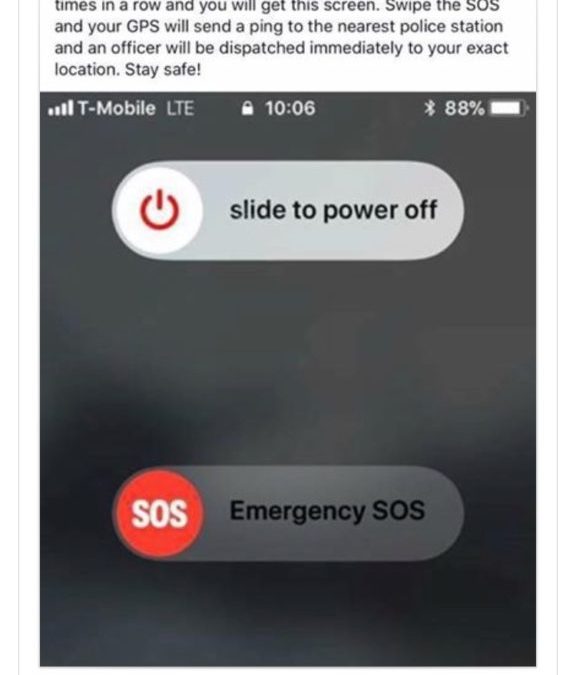
The update features emergency SOS activation that is simpler to use and provides a quicker response in the case of an emergency. To activate the feature there are two possible methods depending on which iPhone you have. For the iPhone 7, 7 Plus, and other older models the emergency feature is activated by rapidly pressing the lock button 5 times in a row. For those with the iPhone 8, 8 Plus or iPhone X this feature can be accessed by pressing and holding the side button along with one of the volume buttons at the same time. Performing either of these actions based on your iPhone model will bring you to the power down screen, where the option of Medical ID and Emergency SOS are displayed. This screen displays these options in a manner which allows the user to choose what they would like to do. This is in place so that you do not accidently call emergency services by leaving your phone in your pocket or by giving your phone to a small child. This iPhone update also has an Auto Call option which you can enable to call as soon as you do the required action.
To enable Auto Call you first must go into the setting application on your phone. From here you scroll down the list until you reach the “Emergency SOS” option. Select this option and then swipe the Auto Call toggle to be on. It should be all the way to the right. To turn the Auto Call off simple slide the switch back to the left. When Auto Call is enabled your phone will automatically dial 911 or other emergency services if you are in another country. This feature would be useful if you are in a situation that would stop you from sliding the appropriate option on your screen. Don’t worry though, if you enable and make an auto call accidentally, there is an option to set a three second timer that would allow you to stop the call before it is made.
The iOS 11 emergency setting also has a feature which allows users to list emergency contacts in the case that one is needed. Emergency contacts are set up in the health app. You must choose the medical ID option and then select edit which is located in the top right corner. Scroll down to the emergency contacts section and select the “+” button to add a contact. You can add multiple contacts and even choose what relation they are to you. It can be useful to add an emergency contact in case you find yourself in a situation where you are unconscious or incoherent and are unable to make decisions for yourself. The emergency contact feature further takes iPhone users safety into consideration, and can be a comfort to individuals.
If you ever find yourself in a situation where you need to help another person, you can use their iPhone to not only alert authorities and the correct personnel, but to also let their listed emergency contact know what has happened to them. This is useful so that you may gain any important information on the person such as health or medical concerns and risks. This makes the Medical ID tool useful in more ways than one.
One side effect from enabling the emergency SOS or Medical ID services is that your phone will be temporarily locked. This means that you will not be able to unlock your phone with your finger print or facial scanners, and instead you must input your passcode. This keeps the information you have on your phone safe, even if you may not be in a very safe situation or location.
Something that makes this feature notable is that it is compatible with emergency services you may not even know exist. This means that with the new iOS 11 software update iPhone users can remain safe while traveling at home or abroad. With the ability to place emergency calls so quickly, iPhone users can rest assured in knowing that they will be able to reach the right people in a timely fashion. This new development in personal safety shows people that they are cared for, and they can rely on Apple products even more.
by Felicien | Dec 14, 2017 | Education
Exploring business continuity best practices for testing data and application back-ups
Data protection is a central element of the data management strategy for all modern business owners. A proactive and well-thought-out business continuity plan is something that all system and data administrators must embrace. A layered and proactive data protection strategy really can mean the difference between disaster and recovery.
When it comes to creating a strategic business continuity plan, data and application backups are one of the most important elements. The reasons for implementing reliable backup solutions are endless – software bugs, failed hardware and user mistakes are just some of the ways business data can be unintentionally altered or deleted. Furthermore, there’s also the persistent risk of malicious activity and attempts to destroy, steal or encrypt business data by cybercriminals or disgruntled former employees.
Data Protection Insurance: Don’t Just Backup, Test!
Here’s the thing when it comes to backups for business: if you don’t test them regularly to ensure their working in all the ways they’re supposed to, you’re only doing half the job. The last thing any business owner wants is to implement backups and wait until there’s an actual data disaster to see if they work. That’s why regular testing of backups for software, hardware and everything in between is absolutely critical.
When a data disaster hits, it can be overwhelming and stressful for business owners. Worrying about whether or not backups are going to work should be the last thing that professionals have to worry about in a crisis situation. Backups are designed to offer peace of mind, and – if implemented correctly and tested regularly – they can make all the difference in a data crisis.
Server vs. Virtualization: The Evolution of Backup Testing
The key to testing backups is to run a sort of drill and see if the backups successfully restore data. For a long time, this process was limited, tedious and time-consuming. When there was a physical server for each application a business used, data restoration had to occur on additional hardware. Furthermore, the environment could only be restored in a very limited way, meaning a full restore of an entire business network rarely happened.
However, as virtualization continues to dominate the business technology market, backup testing and restore processes have become much easier to deploy. Virtualization allows for company data and applications to be centralized and organized in a more streamlined way. For the many businesses who operate using this kind of centralized, virtual machine (VM), recovery from backup is easier to execute.
Why Test Your Back-Ups?
Here are the top three reasons for testing your backups:
You’ll validate that the restore processes you’ve put in place work – peace of mind is priceless.
You’ll create a benchmark to ensure that the recovery process can be completed as intended – this will help you develop recovery time objectives (RTO) for future reference.
Regular testing process and results can be shared with business teams to show that application recovery targets can be met, or perhaps reviewed if the process uncovered imperfections.
Testing Backups: What Programs and Hardware Should I be Testing?
Now that we understand the importance of testing business backups, let’s dive into the specifics. When it comes to testing backups, there are a variety of different levels of recovery to consider. Let’s explore the key areas where your business should be implementing and testing backup and recovery processes:
File Recovery
This is likely the most common concern for business owners – will I be able to recover individual files from my backup? The reality is, file backup processes are easy to deploy on both physical and virtual servers in addition to backups of file servers. It really just comes down to recovering data by file type. There are plenty of tools to automate this process, which we’ll explore in more detail later on.
VM Recovery
For businesses who rely on virtual machines, implementing and testing backups is critical. This one is obviously specific to virtual environments as opposed to physical ones. Recovering a virtual machine is relatively easy because everything is centralized. However, there must be consideration made for where the VM will be powered back on to be recovered.
Attempting to recover the VM in the same production environment creates technical issues like network IP conflicts and SID conflicts in Windows systems. The best strategy is to restart the VM in an isolated environment using the subnet on the hypervisor. Also, it’s important to keep in mind that recovering VMs with new IDs can have impacts on applications and licensing – be proactive and consult with your software providers for terms and conditions.
Physical Recovery
As noted, physical server recovery is more complex and testing will vary based on the how different platforms are configured. Furthermore, recovering applications to the running hardware requires an outage – meaning businesses carry out these tests less frequently. Though daunting, if you’re on a physical set up, it’s critical to schedule the time for testing to ensure hardware can be recovered effectively in the case of a disaster.
Data Recovery
Depending on the backup tools that business owner deploy, specific data recovery can be an option and should be tested for efficiency as well. For example, if a user has data backed up at the application level (rather than the entire VM), that data can be restored and accessed in an isolated environment as well.
Application Recovery
Software applications are the core of a company’s digital operations. However, testing application backups can be challenging – especially for larger business teams. Application backup testing requires an understanding of the relationships between individual VMs and physical servers. However, it can be done, and as with some of the previous recovery types, it’s best done in an isolated environment and on a separate network.
It’s no secret that the more extensive the testing, the higher level of risk – however, testing data backups can be an amazing tool for providing reassuring, measurable results. Determining the right test scenario depends on the backup and restore tools that have been put in place. Having a strong understanding of what you want your backups to do in the case of an emergency will make the testing process more efficient.
Setting a Schedule: How Often Should You Test Your Business Backups?
We get this question from our clients all the time – now that we have backup solutions in place, how often should we be testing them? If we’re being honest, in an ideal world, testing should occur after every backup to ensure that the latest data has been successfully secured.
However, we know for busy professionals like our clients, this isn’t the most time-effective or reasonable option. So, business owners must strike a balance between the potential impacts of losing data and the effort required to feel consistently confident in their backups.
At the very least, here are some really important times to test backups:
As part of a regular routine – say monthly or bimonthly. Choose a frequency, set a schedule and deploy backup tests for all hardware and applications on a regular interval.
Whenever there are a major application or hardware changes. This includes any kind of software update or patch as well as new or different devices. These tests should be more complex to account for a major application or device changes. Use updates and patches as reminders for strategic backup testing.
Whenever there is a significant change to application data. If any business application has a regularly scheduled import of data from an external source, schedule a test restore to occur after the data has been transmitted.
Whenever you’ve restored data. It may seem excessive or redundant to run a backup test on a VM, device or application that you’ve just recovered, but it will ensure that the newly restored program is properly backed up moving forward.
How to Test: Utilizing Automation to Improve Backup Testing
Restore testing can be made much easier using automation tools. At a base level, this can include scripting the restore for individual files. However, there are software tools available that aid in more complex and comprehensive testing procedures. Many of these tools are built directly into backup & disaster recovery software.
Many of these tools completely automate the testing process and allow restores to occur without affecting the production environment. There are countless ways for business owners to take advantage of backup and data recovery tools – the key is researching the best tools to suit the individual backup needs of each business. Taking the time to understand the backup needs for the entire business network is the first step – then businesses can invest in applications or support to optimize backup testing procedures.
The Ongoing Evolution of Data Backup & Recovery Testing
In an increasingly Cloud-based business environment, with more and more companies making use of containers, backup testing will continue to evolve. Using the public Cloud to backup, test and recover applications is a huge plus when it comes to cutting on-premise costs. This represents an entirely new domain for backup testing that will no doubt reveal new challenges and opportunities.
However, no matter what the future brings the premise remains the same. Setting up backups and testing them regularly should be understood as a responsibility, not an option. Ensuring that recovery processes are implemented correctly and run according to a schedule will always be your secret weapon against unexpected data disasters.